
Time to change.
20.34 billion dollars. This is the figure Apple reported at the close of the third quarter of this year. Net profit is 4.31 billion. 29% more than the corresponding figure last year, with a projection of 23.5 billion for this quarter.
What has happened? In the middle of a global crisis, the house of Cupertino records this growth thanks to an interesting product, dedicated entirely to the photography, video and publishing market. We're talking about the iPad. A flat square box that has already become the nightmare of every operator in the print sector. A full 4.18 million sold this quarter, coinciding with this product's launch. 20 million are forecast this year, and the bitten-apple company rarely gets its forecasts wrong.
Meanwhile Fuji, another world giant, but one that among other things works in the opposite environment, precisely that of print, gives us a different picture, a gloomy one. Sales of photographic paper are in constant decline, and this year are under the level of 20 million m², a full 50% less than two years ago.
The same figures come from all the companies operating in this sector. Never as much as this year has the feeling that photography and publishing are on the brink of a catastrophe been closer. Except for one small fact: photobooks are recording double-digit growth everywhere. A full 28% in Italy. And when it comes to professional photobooks, the growth is nearly 40%. Advertising sales for online publishing operators are also growing in double digits. Demand for products has grown. New products are being sought in these sectors. Growing by over 25% are also sales of what are called personalised gadgets. What does all this mean?
Simply that the client has changed. The client must be offered something else. The client no longer spends at all on things that don't give them the feeling of being original, personalised, created just for them. And it tells us something else too. All of us must change our offerings. Without any rhetoric, in a few years this magazine may exist only in a digital format, browsed online or on a device like an iPad or something else. That doesn't mean it will no longer exist. Only that it will reach its readers in a different way from how it does today. We must be ready, because this change is faster than it seems. Younger generations were born in the age of the internet, and increasingly link the very idea of images, and gradually of text too, to an electronic device.
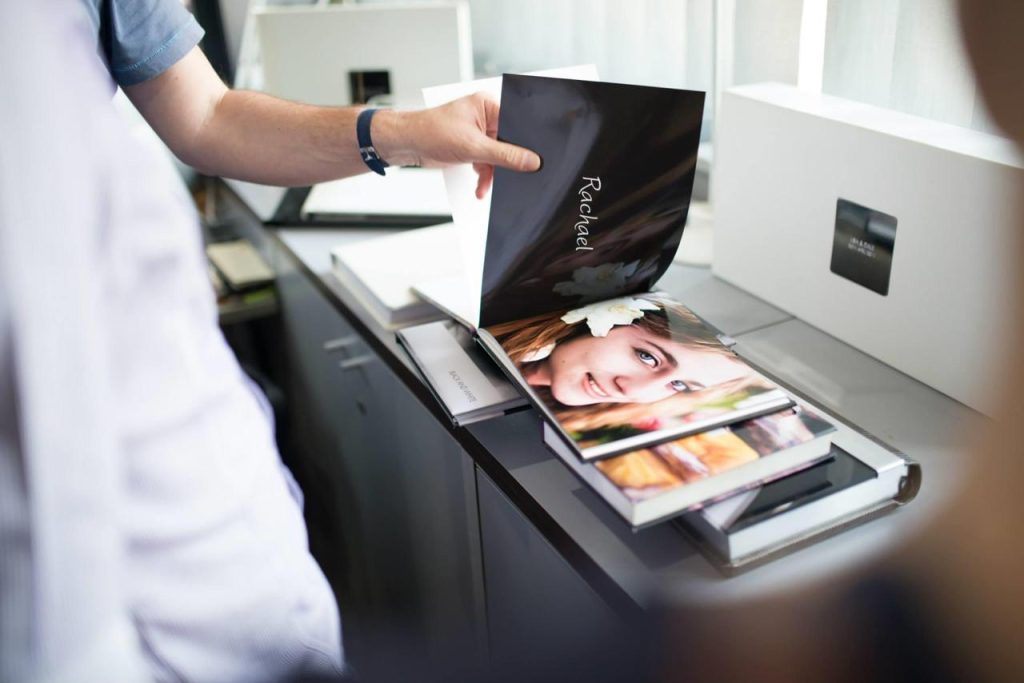
In my daily contact with photographers I remind them of precisely this: that their clients will have immediate access to their work, not as it used to happen before. This is how they must reason when they press the shutter. And they must think about building a book from their images, because that is the only chance they will have to sell a quality product at a considerable price. Because the client no longer needs documentation of reality — they can do that perfectly well themselves. The client needs a professional interpretation of it. This is where the professional comes in, who must now change everything about the work they do. The same applies to journalism, and especially to magazines. No one needs mere basic information anymore. Television already does that job, and increasingly the Internet does too. Now that companies like Apple provide tools such as the iPad and iPhone, and sell ever more products connected to the internet at all times, the role of magazines is something else: to interpret, in a professional manner, what happens out there. This means that all the actors involved in preparing a newspaper or magazine must change their way of working and their offering to the public. Just like event photographers. And they must prepare for an increase in the speed of change. An exponential increase. A photographer today must be technically flawless, because otherwise, in real time, they are comparable to someone else and easily replaceable. The same thing happens in publishing. If this magazine doesn't keep pace with change, in real time or at the moment, it is easily comparable to, and replaceable by, another. We must start now to think of the pages of a magazine as electronic screens, because that is where we are heading.
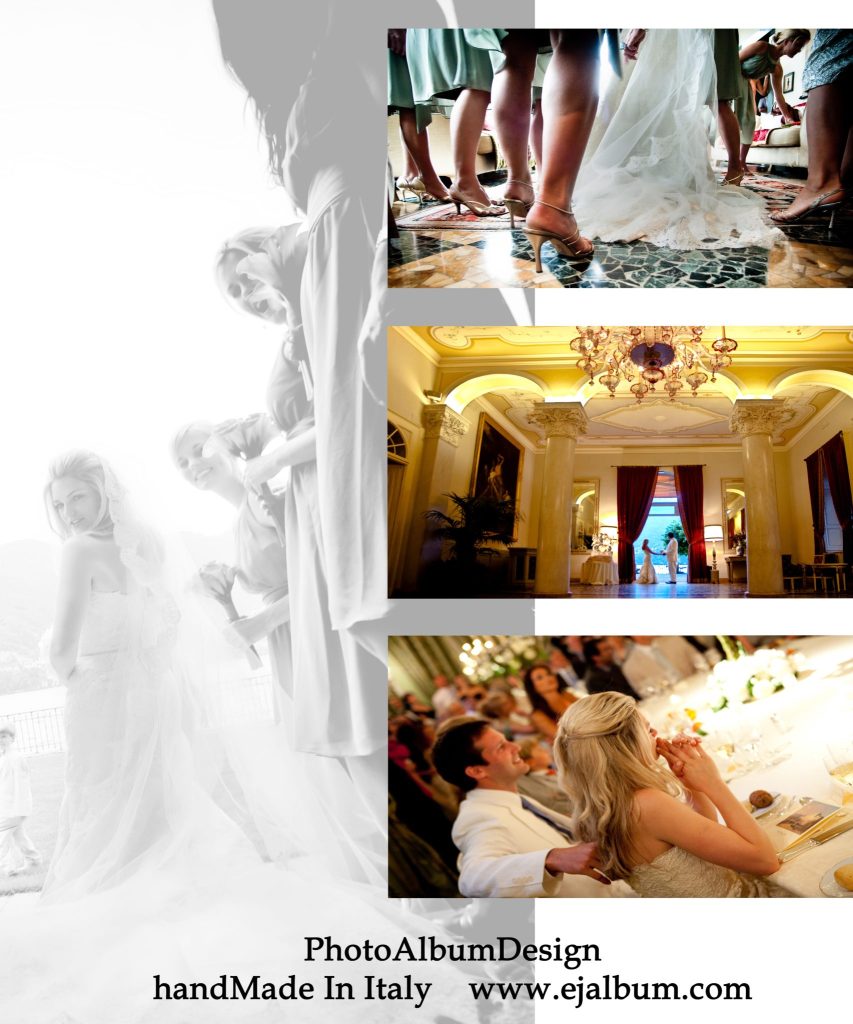
Amazon has been selling books online for 15 years and e-books for only 3 years, and the latter have already overtaken the traditional book in sales volume and revenue. The "L'Espresso" Editorial Group in Italy keeps its newspapers standing only thanks to online support. Words from Monica Mondardini, the group's managing director. We must all think about doing work where we inform the client through the internet and educate them through print. For this alone, the offering must be expanded and quality must be raised. More and more every day, I believe that if we offer something not just beautiful, but distinctive and personalised, made for them, or that gives them this feeling, in any sector that has to do with imagery, we will succeed. Because paper has a magical pull on people. Leafing through a book or a newspaper, magazine, photo album, etc. is something that deeply stimulates our senses. The client knows this well.
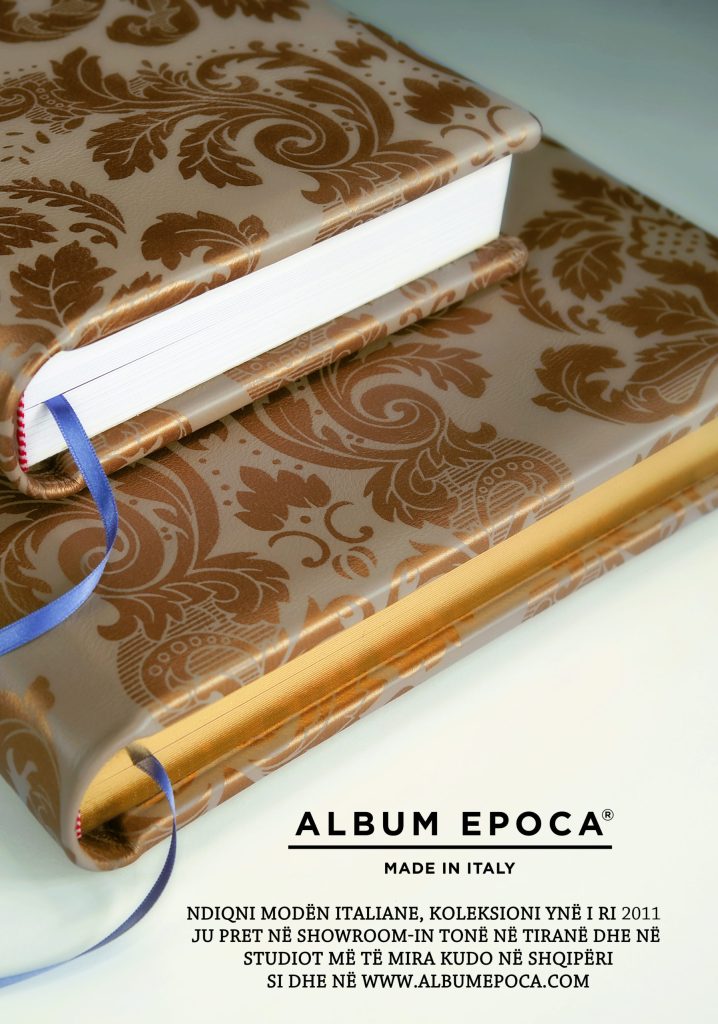
It is time to change, to bring the technology of the future ever closer together with accumulated knowledge, the modern with tradition, and the virtual with the real.
Article by Julinda Mbrica
EJAlbum PR
Published in VIP Albania magazine, 2010
See also:
Digital tools to speed up your work
# 2010, Album Epoca, Photo Albums, Article, EJAlbum Albania, Elton Koritari, Interview, PHOTOSI, Magazine